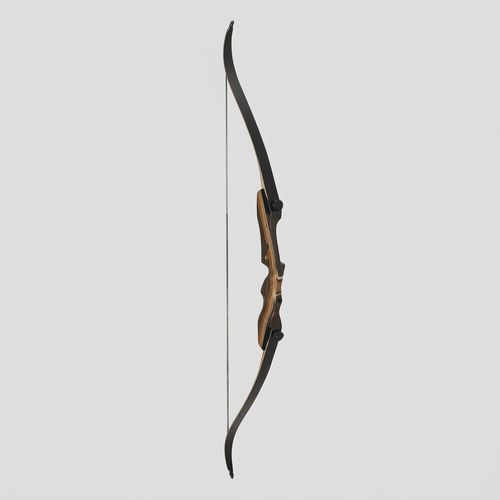
Takedown Recurve · Maple Riser · 25-60 lbs

Samick Sage Takedown Recurve Bow

You have read that cheap starter recurves get outgrown in a season. The Sage answers that head on. It starts at 25 lbs, then the same maple riser takes heavier fiberglass limbs up to 60 lbs. Owners rate the 62-inch bow 4.6 stars across 3,433 verified reviews. Below, the draw weight that matches your body size.

  • Start at 25 lbs to learn form, then raise draw weight by changing only the limbs
  • Rated 4.6 stars across 3,433 verified buyer reviews on the flagship bow
  • Breaks into three flat pieces for the car trunk in under 3 minutes, no tools
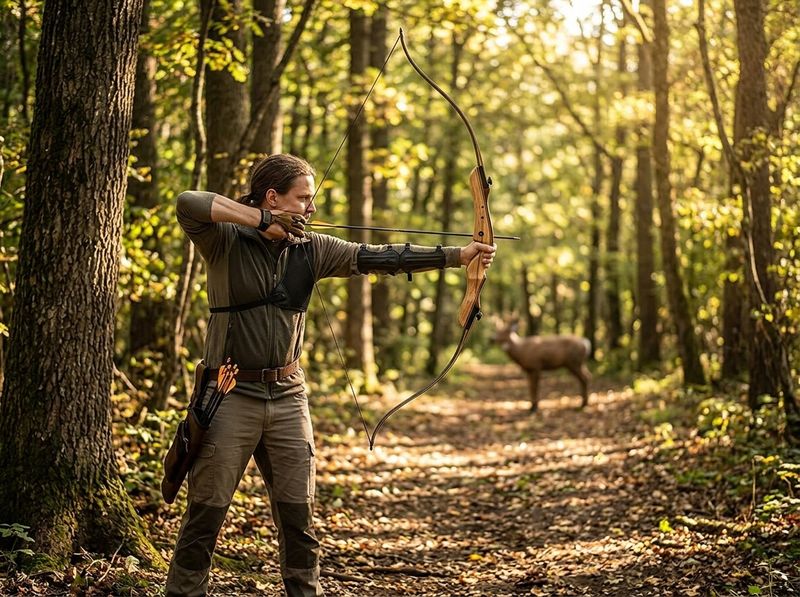
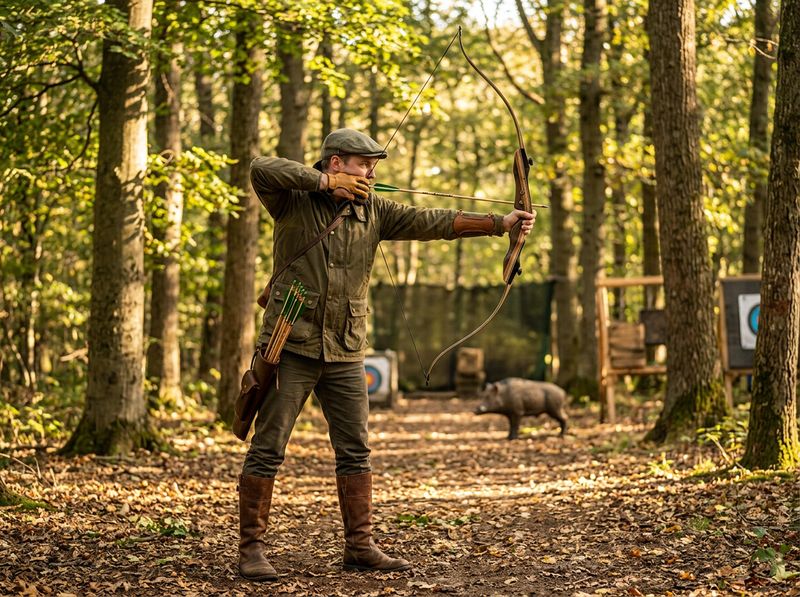
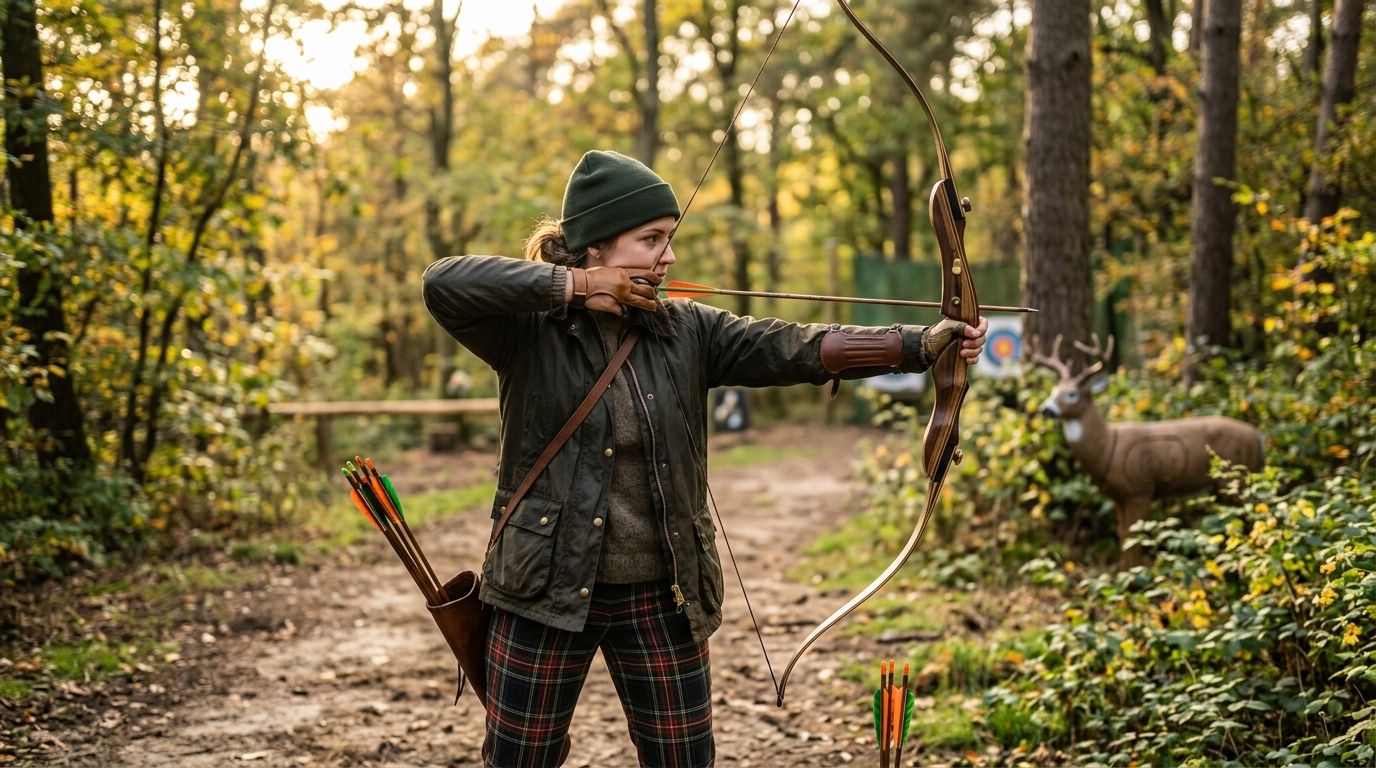
Samick Sage takedown recurve bow with maple riser and fiberglass limbs

Bows, Limbs & Complete Set

The durable maple-and-fiberglass core, plus the limbs and kit that grow with your draw.

Samick Sage Archery Takedown Recurve Bow 62-inch

Samick Sage Archery Takedown Recurve Bow 62-inch

4.6 · 3,433 reviews

Your first lesson should not end with a bow you cannot grow into. The Sage ships as a maple riser and two bolt-on fiberglass limbs, assembled with two thumb screws and no tools. Start at a draw weight your strength allows, then order heavier limbs and seat them in the same riser as your form sharpens. Unlike fixed-weight starter bows that you outgrow in a season, this one climbs from a first lesson to a deer-legal hunt on one riser. Owners rate it 4.6 stars across 3,433 verified reviews, and the maker backs the riser for life.

  • Bolt the two limbs to the maple riser with thumb screws and shoot the same afternoon, no tools needed
  • The maple riser threads brass bushings for a sight, stabilizer, and quiver as you build the rig
  • Rated 4.6 stars across 3,433 verified buyer reviews
Check price
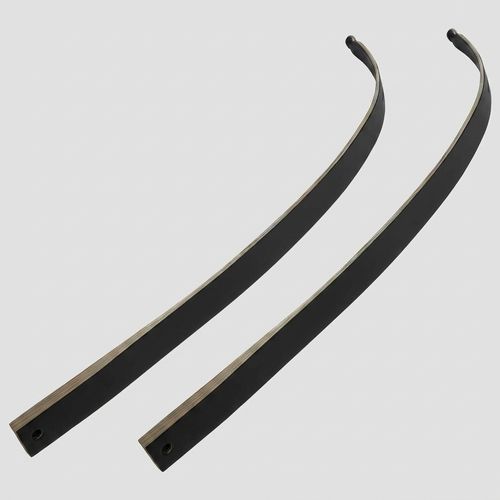
Samick Sage Recurve Bow Limbs 25-60 lbs

Samick Sage Recurve Bow Limbs 25-60 lbs

4.7 · 684 reviews

You learned the draw on light limbs, and now the pull feels too easy. These replacement limbs let you raise the poundage without touching the rest of your setup. Hard maple cores with double fiberglass lamination cover 25 to 60 lbs, and they accept a Fast Flight string for flatter arrow flight. Unbolt your old pair, seat these in the riser, and your grip and sight stay exactly where you left them. The limbs also cross-fit Polaris and SAS risers, and owners rate them 4.7 stars across 684 verified reviews. Pay for limbs, not a whole new bow.

  • Swap from 30 lb to 45 lb limbs in minutes and keep your existing grip, sight, and zero
  • Hard maple cores with double fiberglass lamination accept a Fast Flight string for flatter flight
  • Rated 4.7 stars across 684 verified buyer reviews, and cross-fit to Polaris and SAS risers
Check price
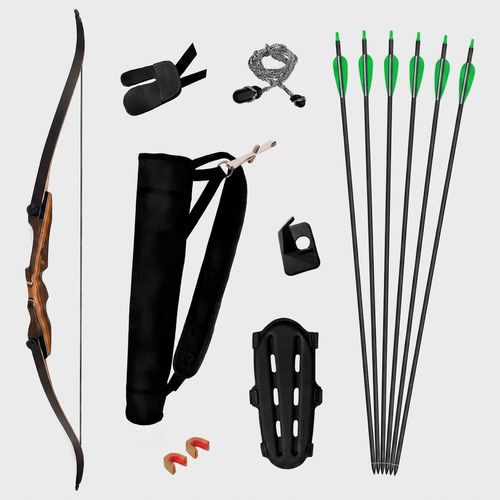
Samick Sage Takedown Recurve Bow and Arrow Set

Samick Sage Takedown Recurve Bow and Arrow Set

4.2 · 174 reviews

You want to open one box and start shooting, without sourcing parts piece by piece. This set pairs the maple riser and fiberglass limbs with arrows, a quiver, an arm guard, and the small parts to get going. Treat the riser and limbs as the keeper, because that is the durable core owners praise. Buyers report the bundled stringer and a few accessories run entry-grade, so plan to upgrade the stringer for safe, repeatable stringing. The bow itself earns 4.2 stars across 174 verified reviews, the riser is backed for life, and a 30-day return window runs through the retailer.

  • Open one box to a strung-ready riser, limbs, arrows, and quiver for a first backyard session
  • The riser is backed for life, with a 30-day return window through the retailer
  • Owners report the riser and limbs are the keeper; plan to upgrade the entry-grade bundled stringer
Check price

Why Skeptical Buyers Still Pick the Sage

The reasons buyers chose the Sage over flashier starter rigs, each tied to a draw-weight spec or a verified review count.

Start at 25 Pounds, Skip the Over-Bow Burnout

Stop straining a 50 lb pull your back is not ready for. Begin at 25 lbs, drill clean form, then add poundage.

Swap Limbs Instead of Rebuying the Whole Bow

Bolt heavier limbs onto the riser you learned on. Pay for limbs, not a second bow, each time you level up.

Hold Deer-Legal Poundage on One Riser

Climb to 40 lbs, the US minimum legal draw weight for whitetail, by changing only the limbs, not the bow.

Shoot Consistent Groups Straight Off the Shelf

Send carbon arrows straight without a rest. The replacement limbs rate 4.7 stars across 684 verified reviews.

Pack Three Flat Pieces for the Range

Picture a clear Saturday: two thumb screws free the limbs, the bow rides flat in the trunk, strung and shooting again fast.

Break Down for the Trunk, Backed for Life

Two thumb screws free the limbs. The maple riser carries a lifetime warranty, plus a 30-day return window through the retailer.

From Box to First Arrow Without Tools

From a flat box to a tuned bow on the shooting line, no Allen key, no pro-shop visit.

  1. 1

    Pick Your Draw Weight

    Choose 25 to 35 lbs to learn form, or 40 lbs and up for deer-legal hunting.

  2. 2

    Bolt On the Limbs

    Seat each limb in the riser pocket and hand-tighten the two thumb screws. No tools, under a minute.

  3. 3

    String and Tune the Brace Height

    Loop a bow stringer over both limbs, step on it to flex the bow, then set brace height to 7.5 to 8.5 inches.

  4. 4

    Shoot, Then Swap Up

    Drill form at your starting weight. When your draw turns smooth, bolt heavier limbs onto the same riser.

The Scenarios the Sage Was Built Around

The moments archers reach for the Sage, from a first lesson to a packed hunt.

Climb From 25 to 60 Pounds Without Buying a Second Bow

Climb From 25 to 60 Pounds Without Buying a Second Bow

You bought 30 lb limbs to learn the draw, and six months in, your form is clean and the pull feels light. Order a heavier pair, unbolt the old limbs, and seat the new ones in the same riser. Your grip, your sight, your anchor all stay put.

  • Order 40 lb limbs after months on 30 lb, then swap without changing your zero
  • Keep the same riser feel from first form drills through deer season
  • Pay for one pair of limbs, not a whole second bow, each time you level up
Check price
Break It Down for the Trunk in Under Three Minutes

Break It Down for the Trunk in Under Three Minutes

The range closes at dusk and you need to be gone fast. Loosen two thumb screws, pull both limbs, and lay three flat pieces across the trunk floor. No Allen wrenches roll under the seat, no washers drop into the gravel.

  • Loosen two thumb screws, pull both limbs, stow the bow flat for the drive
  • Reassemble strung and ready at the range in under 3 minutes
  • No Allen wrenches or loose washers to lose in the field
Check price
Add a Sight and Stabilizer the Day You're Ready

Add a Sight and Stabilizer the Day You're Ready

You started barebow, and now your groups are tight enough to chase the ten ring. Thread a recurve sight straight into the brass bushing already set in the riser. No drilling, no shop visit. Bolt a stabilizer below the grip the week you want less hand shock.

  • Thread a recurve sight into the pre-set brass bushing, no drilling
  • Bolt on a stabilizer when groups tighten and you want less hand shock
  • Shoot barebow off the shelf today, build the rig up at your own pace
Check price
Swap to a Fast Flight String for Tighter Groups

Swap to a Fast Flight String for Tighter Groups

Your carbon arrows fly fine on the stock Dacron, but you want flatter trajectory at 20 yards. Replace the 14-strand Dacron with a Fast Flight string built for the Sage limbs. Re-tune the brace height, then watch your groups pull in tighter.

  • Upgrade the stock Dacron to Fast Flight for faster, flatter carbon flight
  • Shoot carbon or aluminum arrows off the shelf or a stick-on rest
  • Re-tune brace height after the string swap and watch 20-yard groups shrink
Check price
Samick Sage maple riser craftsmanship

The Default First Recurve, Built to Be Kept

You have wondered whether a budget recurve sold online can really hold up, or whether a pro shop is the only safe bet. Here is the honest answer. Samick has built archery gear since 1975, and the Sage became the bow experienced archers point beginners toward. It measures 62 inches with a 28-inch reference draw length, built on a maple riser with bolt-on fiberglass limbs from 25 to 60 lbs. One mistake new buyers make is ordering the heaviest limbs their pride allows, then fighting the draw and quitting.

The fix is built into the design. You start light, drill clean form, then change only the limbs as your back muscles catch up. Owners who shoot a few hundred arrows a month report years of service from one riser when they wax the string and store the bow unstrung. The riser threads a sight and stabilizer when you are ready, so you are never stuck shooting barebow. Below, the draw weights matched to body size and the accessory notes worth knowing before you buy.

Browse every draw weight

The Sage Against Other Starter Recurves

How the Sage stacks up on the specs that decide a first traditional bow.

SpecSamick SageBear GrizzlySAS SpiritBlack Hunter
Draw weight range25 to 60 lbs, swappable on one riserFixed per bow20 to 60 lbs30 to 60 lbs
Takedown and portabilityThree-piece, tool-free thumb screwsOne-piece, no takedownThree-piece takedownThree-piece takedown
Limb interchangeabilitySame-riser swap, Polaris and SAS cross-fit reportedNoneBrand limbs onlyBrand limbs only
Accessory bushingsPre-installed brass for sight, stabilizer, plunger, quiverLimitedSight and plungerSight bushing
Bow length62 inches, 28-inch reference draw58 inches62 inches60 inches
WarrantyLifetime on the riserLimitedLimitedLimited
Verified reviews4.6 to 4.7 stars across 4,291 reviews on the bow and limbsFewer online reviewsHigh volumeModerate

Day 1 to Year One on One Riser

From the first unboxing to a deer-season hunt, what the same bow delivers as your skill climbs.

  1. Day 1

    Unbox three pieces, bolt the limbs on, and string the bow on the back deck the same afternoon. Test the tool-free assembly inside the 30-day return window, with free returns through the retailer if anything sticks.

  2. Week 1

    Set the brace height to spec, then sink your first consistent arrow groups at 20 yards off the shelf.

  3. Month 1

    Thread a sight into the brass bushing, or order heavier limbs as your form locks in and the draw feels light.

  4. Year 1+

    Tens of thousands of arrows later, the maple riser holds its tune, covered by a lifetime manufacturer warranty.

What Owners Worry About Before They Buy

The doubts that stall the purchase, and the spec or policy that settles each one.

The 25 lb Bow That Gathers Dust by Spring

End the cycle of buying a whole new bow every time you get stronger. The Sage swaps to heavier limbs on the riser you already own, so the bow grows with your draw instead of landing in a closet.

40 lbs is the US minimum legal draw weight for deer

Over-Bowing on Day One and Wrecking Your Form

Stop straining a 50 lb pull before your back is ready. Start at 25 to 35 lbs, groove a clean release, then bolt on heavier limbs the week your draw turns smooth.

Doubting a Budget Recurve Even Shoots Straight

Kill the suspicion that an inexpensive bow cannot perform. Owners report it drives arrows as flat and true as recurves costing far more.

Rated 4.6 stars by thousands of verified buyers

A Dry-Fire Crack Ending the Session for Good

A cracked limb cannot be glued back to full strength, so do not try. Strip off the damaged pair and bolt on a fresh set, and you are shooting again without replacing the whole bow.

Bundled Accessories That Fail in the First Week

Stop worrying that the kit stringer or arm guard decides the purchase. Owners report the maple riser and fiberglass limbs are the durable core. The riser carries a lifetime warranty, plus a 30-day return window through the retailer.

Who the Sage Is Built For

The archers who get the most from one riser and a set of swappable limbs.

The Adult Picking Up a Bow for the First Time Since School

You shot a few arrows in gym class and want back in without a pro-shop budget. Start at 25 to 35 lbs, drill release and anchor off the back deck, and add poundage as form locks in.

The Small-Framed Shooter or Teen Sold Too Much Bow

Under 150 pounds and tired of fighting a 45 lb pull, you need a manageable start. The 25 to 30 lb limbs let a lighter archer reach full anchor without shaking.

The Weekend Hunter Who Wants One Riser for Both

You shoot targets in summer and chase whitetail in fall. Bolt on 45 lb limbs for a deer-legal hunt, then drop to lighter limbs for relaxed range days, all on the same riser.

When to Pick a Different Bow

  • Not the right fit if you spend a week in wet field conditions. The exposed metal fittings rust fast without daily wax or oil.
  • Skip it if you want a glossy one-piece longbow. The thumb-screw bolts trade looks for tool-free swaps.
  • Wrong call if you plan to move into an ILF system. The Sage uses proprietary limb pockets, not ILF.

Samick Sage Questions, Answered

Draw weight, assembly, stringing, hunting, and upgrades, answered straight.

Is the Samick Sage a good beginner recurve bow?

The Sage is the bow most experienced archers point new shooters toward, and the numbers back it. The flagship earns 4.6 stars across 3,433 verified reviews. It starts as low as 25 lbs so you learn clean form first, and the same riser later takes heavier limbs, so a first bow does not become a wasted purchase.

What draw weight should a beginner start with on a Samick Sage?

Most beginners start between 25 and 35 lbs. A lighter pull lets you groove release and anchor before strength becomes the limit, which is how good form is built. Adults of average build often pick 30 lbs, while smaller-framed shooters and teens pick 25 lbs. When the draw feels easy, bolt on heavier limbs on the same riser.

Will I outgrow a 25 lb Samick Sage too fast?

You will likely outgrow the 25 lb limbs, and that is by design. The riser stays. When the draw turns easy after weeks of practice, order a heavier limb pair and bolt it to the same riser. You move up in poundage without buying a second bow, so a starting weight that feels light in a month is not money wasted.

Can you hunt with a Samick Sage recurve bow?

Hunters take whitetail with the Sage every season, using 40 lb limbs or heavier. Most states set 40 lbs as the minimum legal draw weight for deer, which the riser reaches with a limb swap. Pair it with hunting-weight arrows and broadheads, practice to an ethical range, and the bow you learned on becomes a capable traditional hunting rig.

Are Samick Sage limbs interchangeable with other risers?

Sage limbs fit the Sage riser and cross-fit several others, including Polaris and SAS risers, which owners confirm. They do not fit ILF risers, which use a different mounting system. When you upgrade poundage, you keep your current riser and change only the limbs, which is the core advantage of this takedown design.

Can the same riser take me from learning form to hunting deer?

One riser covers both. Start with light limbs to learn, then bolt on 40 lb or heavier limbs for a deer-legal hunt, since 40 lbs is the US minimum legal draw weight for whitetail in most states. Your grip and sight stay put through the swap, so the bow you learned on becomes the bow you hunt with.

Is a budget recurve actually good, or should I buy from a pro shop?

A pro shop adds fitting help and hands-on coaching, which has real value. The Sage itself, though, shoots as flat and true as recurves costing far more, and thousands of owners confirm it. Many buyers start with the Sage, learn on it, and only visit a shop later for tuning or a string upgrade. The bow does not hold you back.

What is the correct brace height for a Samick Sage?

Set the brace height between 7.5 and 8.5 inches, measured from the string to the deepest part of the grip. Start near the middle, then twist or untwist the string a few turns to quiet noise and tighten groups. A brace height in this window gives clean arrow flight and protects the limbs from excess stress.

How do you string a Samick Sage recurve bow safely?

Use a bow stringer every time. Loop the stringer pockets over both limb tips, step on the cord, and pull the riser up to flex the bow, then slide the string loops into the nocks. Never step-through or hand-flex the bow, since a slip can twist a limb or snap back at your face. A stringer costs little and protects you and the bow.

How long does the Samick Sage last?

Owners who shoot a few hundred arrows a month report years of service from one riser. The maple riser holds its tune through tens of thousands of arrows when you wax the string, store the bow unstrung, and keep the metal fittings dry. Limbs are the wear part, and a fresh pair bolts on if one ever cracks.

Can I add a sight and stabilizer later, or am I stuck shooting barebow?

The riser comes with threaded brass bushings already set for a sight, stabilizer, plunger, and quiver. Shoot barebow off the shelf today, and the day your groups tighten, thread a recurve sight straight in with no drilling. Bolt a stabilizer below the grip when you want less hand shock. The bow grows from barebow to a full rig at your pace.

Does the Samick Sage come with everything you need to shoot?

The bare bow includes the riser, two limbs, and a Dacron string, but not arrows, a stringer, or a rest. The complete set adds arrows, a quiver, an arm guard, and small parts. Either way, budget for a proper bow stringer, since safe stringing needs one and the bundled stringer in the set runs entry-grade.

Amazon pricing updates daily — check price Check price